Tariffs start at the border, but they don’t stop there.
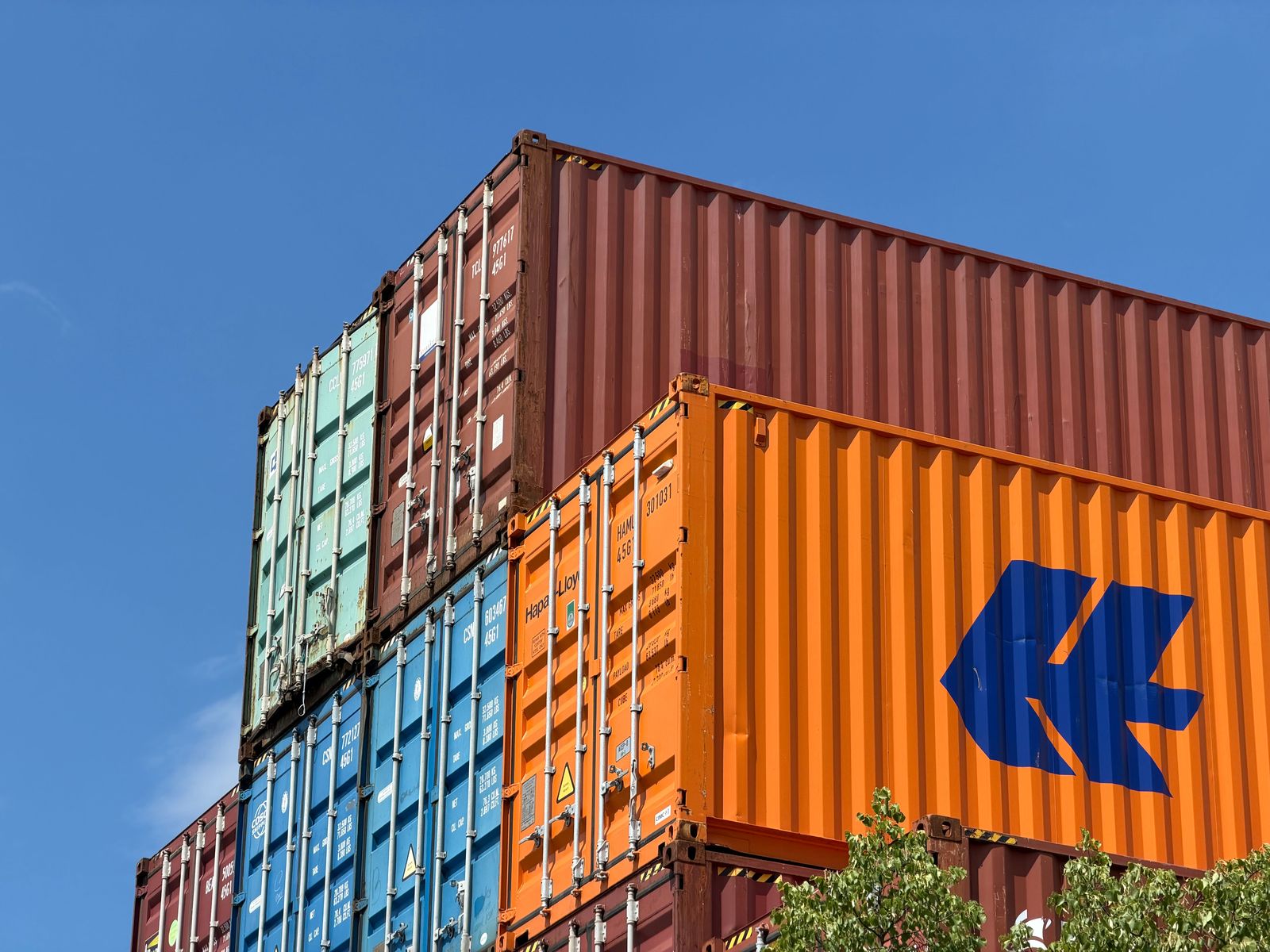
Tariffs are charged when goods cross the border, but the costs travel much further. Photo: Nevil Patel / Pexels
Welcome to the first issue of The Royal Wire. Guelph is a city that builds things: auto parts, machined metal and food products, with its research institutions driving innovation. It also runs on the accountants, contractors, shops, clinics and cafés that serve the people who build them. This year the rules for selling across the border have been rewritten more than once, and the effects have travelled well past the factory gate. So we start with the question we hear most from owners in this city: what do tariffs actually cost us, and where can we get help?
The answer is uneven. More than 360 Guelph companies ship over $6 billion in goods to the United States each year, according to Canadian Chamber of Commerce data, and researchers at the University of Toronto estimate that about one in ten local businesses is directly exposed to the tariffs now in force. By the same estimates, more than a quarter of the people who work in Guelph do so at an exposed business. A tariff on a manufacturer also means a smaller order for the machine shop, the trucking firm and the accountant down the street.
The Royal Wire is written for anyone with a stake in this city’s economy: the owners, operators and advisors who keep it running, and the people who work, shop and live here. Tell us how tariffs are affecting your business or household, and what we should cover next, in our three-minute reader survey. If your business is living the story in these pages, we would like to hear from you for a future Spotlight: ask to be featured or write to royalwire@digicorpus.ca.
Mo Oyedeji, PhDEditor, The Royal Wire
Executive summary
This issue in brief
Pulse
Tariffs have changed shape repeatedly since March 2025. The broad IEEPA tariffs were struck down in February 2026, but sector tariffs on steel, aluminum, autos, copper and lumber remain, and on September 8 Canada answered with counter-tariffs of 15% to 50% on C$27.6 billion of U.S. goods.
Outlook
Most Guelph businesses don’t export, but tariffs still reach them through customers, suppliers and local spending; we show how, segment by segment. Advanced manufacturing is the most exposed sector, with about 16.5% of local jobs and 26% of GDP, and agri-food processors are hit directly by the September 29 U.S. import ban. Retailers face higher costs from Canada’s counter-tariffs, professional services feel the second-order effects, and pharmaceutical makers face a 100% U.S. tariff on patented drugs that was extended to all manufacturers on September 29.
Metron
The U.S. rate ladder and Guelph’s economy at a glance, with manufacturing concentrated at 2.2 times the national level.
Lever
Three checks any business can make this month, then Canadian software for trade compliance, landed-cost modelling, sourcing and pricing that helps firms avoid overpaying duties and pass costs through selectively.
Tailwind
Federal and provincial tariff relief, each tagged with who it’s for: BDC and EDC financing, Work-Sharing for any employer, FedDev Ontario’s $2.1 million for three Guelph manufacturers, and Ontario’s Protect Ontario Financing Program and Together Trade Fund.
Spotlight
Three Guelph manufacturers, Comoldco, Benmet Steel & Metal and Poly-Nova Technologies, and what $2.1 million in federal tariff relief is paying for on their shop floors.
Pulse
The U.S.–Canada economic relationship has been strained by tariffs and reciprocal trade measures since March 2025, when the U.S. imposed new tariffs on Canadian goods and Canada responded with retaliatory measures of its own. The two economies are tightly tied: the U.S. is Canada’s largest trading partner and took 71.7% of its merchandise exports in 2025, down from 75.9% in 2024.
The tariff landscape has since taken on a complex, evolving shape, with measures targeting non-CUSMA-compliant goods, autos, steel and aluminum derivatives, and wood products, among others. Canada initially responded with broad counter-tariffs, but in September 2025 rolled most of these back, removing retaliatory duties on U.S. goods that qualify as CUSMA-compliant while keeping sectoral surtaxes on U.S. steel, aluminum and autos in place. The landscape shifted again in February 2026, when the U.S. Supreme Court struck down the broader IEEPA-based tariffs, including the border-security and global reciprocal tariffs imposed in 2025, as unconstitutional. Sector-specific tariffs on steel, aluminum, autos, copper, lumber and other goods, imposed under separate legal authority, remain in effect. Canada escalated again on September 8, 2026, imposing counter-tariffs of 15% to 50% on more than 600 tariff lines of U.S. goods worth C$27.6 billion. The trade atmosphere remains volatile, and CUSMA compliance alone is not enough for predictable market access: goods that meet all rules of origin can still face punitive duties under sector-specific U.S. actions.
For businesses in Guelph and the broader Wellington County region, these changes reach far beyond companies that export directly to the United States. Guelph’s export economy is concentrated in advanced manufacturing and agri-food, with more than 360 Guelph-based companies exporting over $6 billion in goods annually to the United States, equal to about 34% of the city’s GDP, according to a Canadian Chamber of Commerce report (2023 trade data; GDP is for 2021).
360+
Guelph companies exporting to the U.S. (2023 data)
$6B+
in goods exported to the U.S. each year
~34%
of the city’s GDP
Export-facing firms appear to be only the visible layer of exposure. However, behind every direct exporter sits a web of local suppliers, machine shops, logistics providers and service firms whose revenue depends on that exporter continuing to ship south of the border. A tariff hit to a mid-sized advanced manufacturer in Guelph ripples back through its local supply chain, affecting payroll decisions, capital investment and hiring plans at businesses that never file an export declaration themselves.
Researchers at the University of Toronto’s School of Cities released an interactive tool in October 2025 estimating how vulnerable Canadian cities are to U.S. tariffs on sectors such as automotive, steel, lumber and aluminum. Its estimates point to a gap between how many Guelph businesses are exposed and how many workers they employ. About 9.9% of Guelph businesses were estimated to be directly exposed to all tariffs in effect before September 29, 2026. By the tool’s estimates, those businesses employ 27.6% of people who work in Guelph, and 15.5% of Guelph residents hold jobs in tariff-exposed businesses. Measures taking effect after September 29, 2026 shift these figures only slightly: business exposure rises to 10.1%, workplace-based employee exposure to 28.2% and resident-based exposure to 16.5%.
9.9%
of Guelph businesses directly exposed, before Sept 29, 2026
27.6%
of people employed at a Guelph workplace are exposed
15.5%
of Guelph residents hold jobs in exposed businesses
Table 1. Percentage estimates of businesses exposed to U.S. tariffs, Guelph and Kitchener-Cambridge-Waterloo (KCW)
Area
Measure
Before Sept 29, 2026
After Sept 29, 2026
Guelph
Businesses
9.9%
10.1%
Guelph
Employees (place of work)
27.6%
28.2%
Guelph
Employees (place of residence)
15.5%
16.5%
KCW
Businesses
8.6%
8.8%
KCW
Employees (place of work)
15.1%
16.1%
KCW
Employees (place of residence)
13.8%
14.6%
Source: University of Toronto School of Cities, Mapping Tariffs tool and its published data. Estimates; results based on tariffs as of September 28, 2026, checked October 15, 2026.
Federal and provincial governments have responded with a range of programs to relieve the impact of U.S. tariffs on businesses, workers and supply chains. These focus on cushioning cost pressures, supporting affected sectors and preserving the competitiveness of Canadian firms inside deeply integrated North American production networks. Federal programs provide expanded financing and market diversification support through Export Development Canada (EDC) and the Business Development Bank of Canada (BDC) (see Tailwind). EDC’s Trade Impact Program offers working capital, trade-credit insurance and market-diversification support, and in September 2026 it added $700 million in direct financing for small and medium-sized businesses.
In July, three Guelph manufacturers received $2.1 million through FedDev Ontario’s Regional Tariff Response Initiative (see Spotlight).
The provincial government has also pledged to protect Ontario workers and businesses from tariff-driven uncertainty. Through the Protect Ontario Financing Program (POFP) and the Ontario Together Trade Fund (OTTF), businesses can access loans and grants to stabilize operations, strengthen competitiveness and manage tariff-related disruption. The $1 billion POFP provides relief for Ontario businesses facing Section 232 or Section 338 tariff-related working-capital challenges such as payroll, lease and utility payments. The OTTF offers small and medium-sized businesses grants and loans to expand interprovincial trade and diversify supply chains away from the United States (see Tailwind).
The U.S. midterm elections on November 3 add another layer of uncertainty. The United States and Mexico are racing to finalize an interim bilateral trade deal before the vote, one that would ease some U.S. tariffs on Mexico in exchange for action on auto content and Chinese investment. Nothing is final, but any U.S.–Mexico alignment would reshape competitive dynamics within CUSMA, which the U.S. declined to renew in July and which now faces annual review.
Terms used in this issue
Tariff: a tax on imported goods, paid by the importer when the goods cross the border.
Counter-tariff: a tariff one country imposes in response to another’s. Since September 8, Canada’s apply to more than 600 tariff lines covering C$27.6 billion of U.S. goods.
CUSMA: the Canada–United States–Mexico Agreement (USMCA in the U.S.), the free-trade deal under which qualifying goods cross the border duty-free.
Section 232 and Section 338: U.S. trade laws that let the President impose tariffs on national-security grounds (232) or on countries judged to treat U.S. commerce unfairly (338).
IEEPA: the International Emergency Economic Powers Act, the emergency law behind the broad 2025 U.S. tariffs, which the U.S. Supreme Court struck down in February 2026.
HS code: the international product code that decides which tariff rate applies to a good.
Landed cost: the full cost of getting a product to your door, including its price, shipping, insurance, duties and fees.
Remission: a refund or waiver of a duty that a business can apply for in some cases.
CARM: the Canada Border Services Agency’s online system for declaring imports and paying duties.
Outlook
Guelph’s economy is driven by advanced manufacturing, spanning automotive parts, metal fabrication and agri-food processing, which accounts for about 16.5% of local jobs and 26% of local GDP in 2023. It is supported by a diversified set of sectors, including professional, scientific and technical services (13.2% of jobs), wholesale and retail trade (12.7%), health care and social assistance (11.2%) and educational services (9.5%), according to the City of Guelph’s 2023 labour force report. The city also hosts an agri-food and agri-innovation cluster that employs close to 7,000 Guelph residents across nearly 1,500 businesses, according to the City of Guelph’s community profile.
If you don’t export: how tariffs still reach you
Most Guelph businesses never ship anything across the border. Tariffs still reach them, usually second-hand: through customers who cut back, suppliers who raise prices and a local workforce in which, by University of Toronto estimates, more than a quarter of jobs are at directly exposed businesses. Here is where to look, and one thing to do now.
Professional services (accounting, legal, IT, marketing, engineering): manufacturing clients may delay projects, trim retainers or pay later. Check how much of your revenue depends on your three largest clients, and tighten payment terms before you need to.
Trades and construction: steel, aluminum and appliance costs flow straight into your quotes. Add a price-escalation clause and shorten how long a quote stays valid.
Retail, restaurants and food: U.S.-made goods caught by Canada’s counter-tariffs cost more, while the Buy Canadian shift can work in your favour. Check where your top 20 products or ingredients are made, line up Canadian alternatives and label Canadian goods clearly.
Health, wellness and personal services: imported supplies and equipment cost more, and clients trim discretionary spending when household budgets tighten. Lock in supplier prices where you can and watch bookings for early signs of a slowdown.
Nonprofits and community organizations: demand for services tends to rise when local jobs are at risk, just as donations soften. Talk to funders early about what you are seeing.
Any employer: if work slows, Work-Sharing (see Tailwind) can keep staff on reduced hours instead of laying them off.
Advanced manufacturing
Steel, aluminum and copper goods face U.S. tariffs of up to 50%. Photo: Lok Fung Yam / Pexels
Guelph’s advanced manufacturers are the most exposed to U.S.–Canada tariffs. U.S. Section 232 tariffs of up to 50% on steel, aluminum and copper (most of these goods pay the full 50%) directly affect machine shops and metal fabricators, and they also apply to products made with those metals. For Linamar and Magna’s Guelph plant, the exposure is more acute: Section 232 imposes a 25% tariff on autos and on auto parts that do not qualify under CUSMA, while CUSMA-compliant parts are exempt for now, according to the Trade Commissioner Service.
The 50% Section 338 tariff, in effect since August 22, 2026 with no CUSMA exemption, was imposed over Canada’s dairy, alcohol and auto policies, but it covers a much wider range of goods, including machinery, plastics, electronics, paper and furniture. On September 29, the U.S. banned imports of Canadian alcohol, whey products, molasses and motorcycles with engines over 800cc, shipments worth about US$967 million in 2025.
For Guelph plants, that can mean smaller U.S. orders, fewer shifts and delayed investment, with the effects spreading to the local suppliers. Some are adapting: in July, Comoldco, Benmet Steel & Metal and Poly-Nova received $2.1 million from FedDev Ontario to modernize and expand domestic production. If you make goods for the U.S., confirm which of your parts qualify under CUSMA and check the HS code and metal content of every U.S.-bound product, since those decide which rate you pay.
Agri-food processing
From the field to the processor, U.S.-made farm machinery parts now carry Canada’s counter-tariffs. Photo: Wolfgang Weiser / Pexels
Agri-food is the sector the September 29 import ban hits most directly. The ban covers beer, wine, cider, spirits, non-alcoholic beer and various forms of whey, and alcohol makes up about 87% of the banned trade. In Guelph, Sleeman Breweries brews Sapporo, and in September Sapporo announced it would move production of its U.S.-bound non-alcoholic beer to a U.S. plant in the first half of 2027, citing 50% tariffs on Canadian beer. Sleeman says the move is “not imminent or finalized” and the product is only 0.5% of its Canadian output. Dairy and whey processors face both the ban and the 50% Section 338 tariff, which was imposed partly over Canada’s dairy policies. Processors that sell mainly in Canada are less exposed, and the Buy Canadian shift can work in their favour, though Canada’s counter-tariffs raise the cost of U.S.-made farm machinery parts.
Wholesale and retail trade
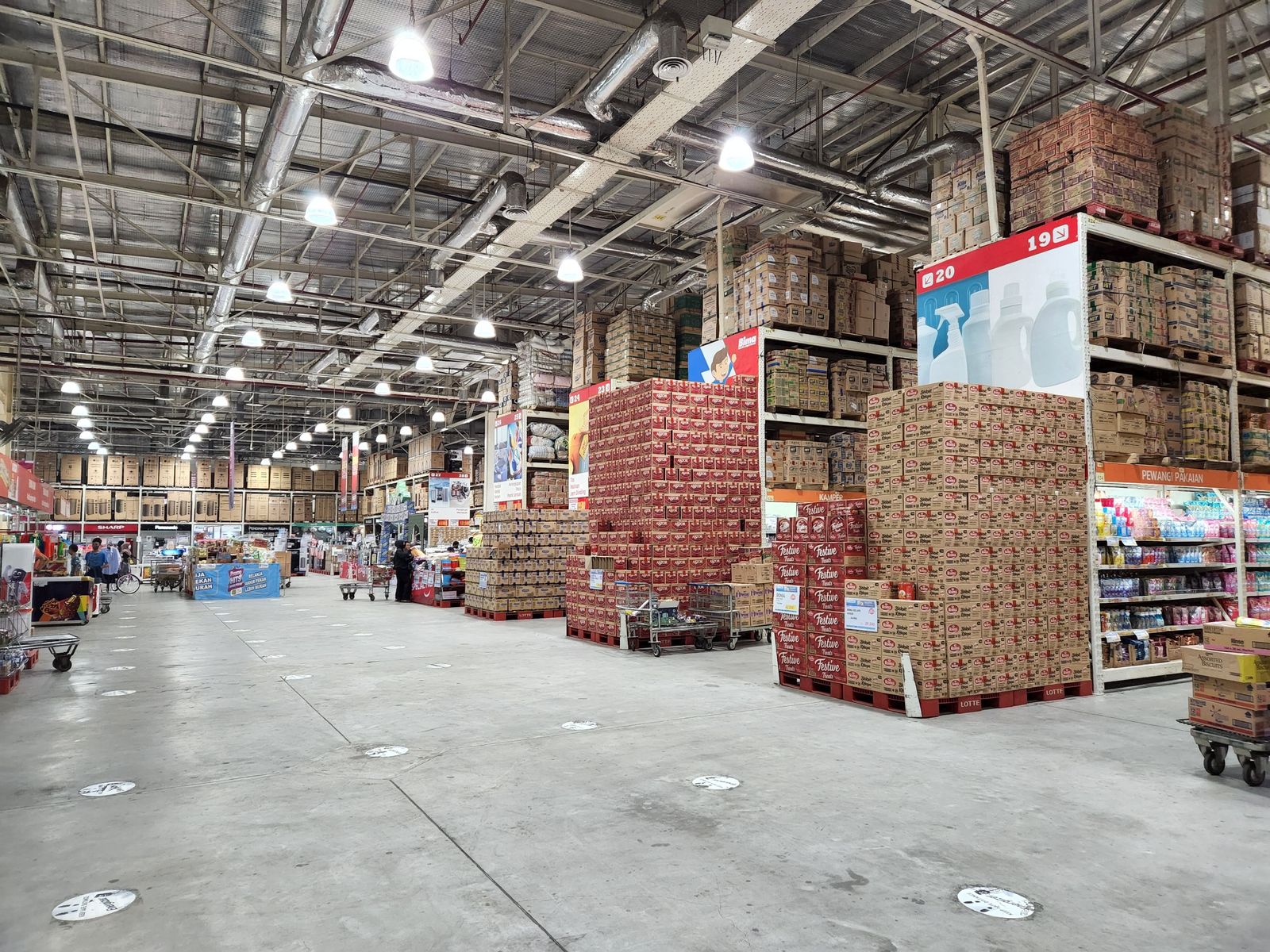
Retailers that stock U.S.-made goods face Canada’s counter-tariffs on more than 600 tariff lines. Photo: Antonius Natan / Pexels
Wholesale and retail trade supports roughly 12–13% of employment in Guelph, about 12,700 jobs across major retailers, distributors and independent shops (2023). These businesses face cost pressure from Canada’s counter-tariffs: since September 8, rates of 15% to 50% have applied to more than 600 tariff lines of U.S. goods worth C$27.6 billion, including appliances, electronics, household steel and aluminum goods, and farm machinery parts. Importers can apply for remission, a refund of the duty, in some cases. Retailers that stock U.S.-made goods in these categories face higher landed costs on those lines, and large chains with U.S. suppliers must choose between raising prices, absorbing the cost or switching suppliers.
These costs can ripple through Guelph’s wholesale and logistics businesses, where distributors may face higher freight charges, more complex sourcing and slower cross-border shipments. For consumers, the counter-tariffs can mean higher prices for U.S.-made appliances, electronics, tools and farm-supply equipment. Canadian producers and distributors that can replace U.S. imports may win shelf space, most likely in categories where domestic supply is strong.
Professional, scientific and technical services
When manufacturers cut back, the accountants, consultants and engineers who serve them feel it next. Photo: Khwanchai Phanthong / Pexels
This sector accounts for roughly 13% of jobs in the city and is not directly tariffed. It is indirectly exposed, because these firms depend heavily on the financial health of local manufacturers. Accounting, IT and consulting firms could see second-order effects when manufacturers absorb higher input costs or lose U.S. demand under Section 232, Section 338 or the September 29 import bans, and cut discretionary spending on consulting, engineering design, automation planning and professional services.
Health care and life sciences
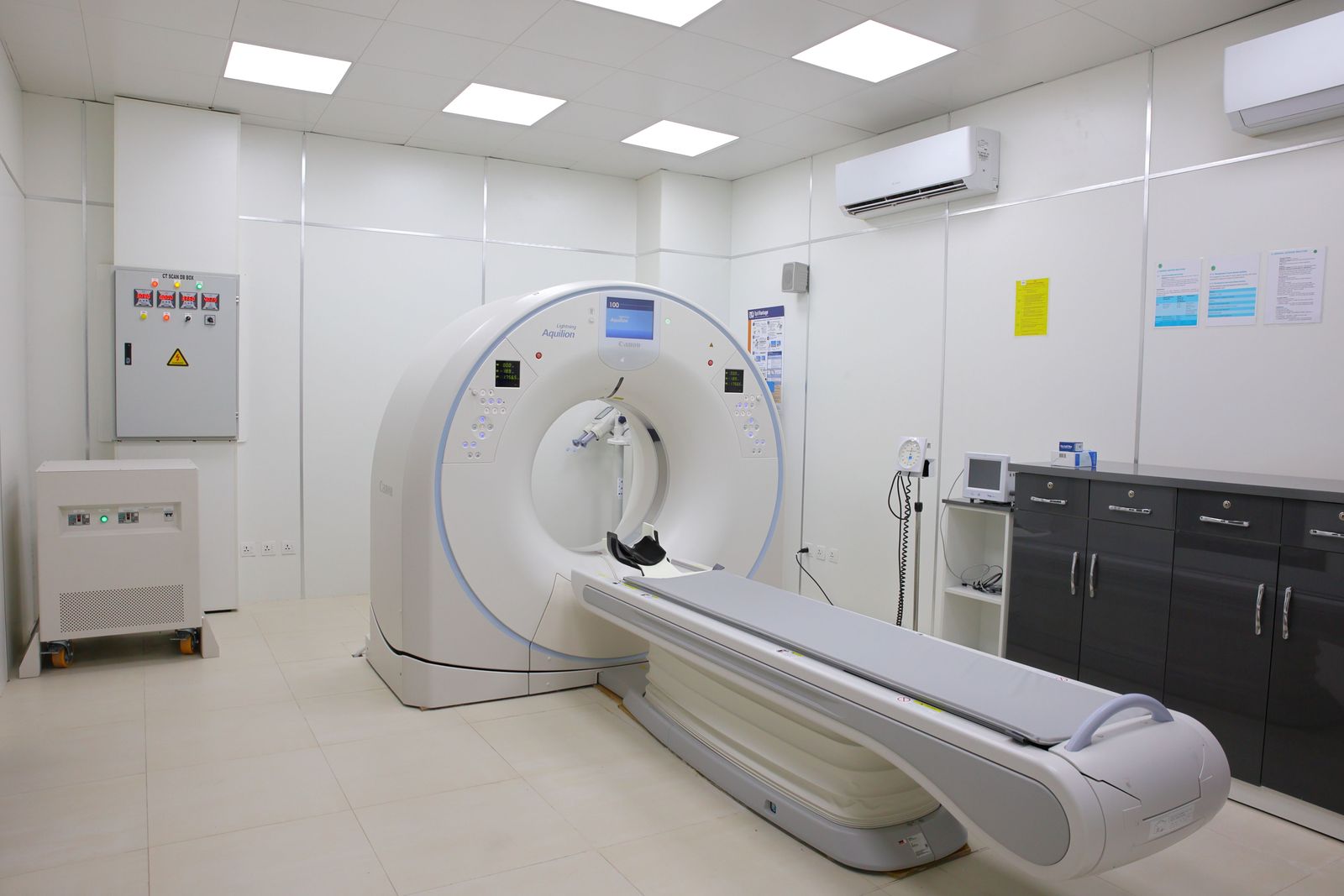
In health care, the most direct exposure is at drug makers selling into the U.S., not local clinics. Photo: Tariq Mahmud Photography
Health care and social assistance accounts for roughly 11% of jobs in Guelph. The sector is exposed mainly through pharmaceuticals. A 100% U.S. tariff on patented pharmaceuticals took effect on July 31, 2026 for 17 named drug makers and was extended to all other manufacturers on September 29, unless they qualify for a lower rate. The tariff applies to drugs entering the United States, so the businesses most directly affected are Guelph’s pharmaceutical and health-product manufacturers that sell into the U.S., rather than local clinics and pharmacies. Their upstream suppliers, including packaging firms, logistics providers and specialized distributors, could also feel the impact if U.S. orders fall.
The numbers on one page
Metron
50%
Highest U.S. rate on Guelph’s core goods
Applies to steel, aluminum and copper goods, and to Section 338 goods with no CUSMA exemption.
The U.S. rate ladder
10%
Most goods. CUSMA-compliant goods exempt
25%
Autos and parts. CUSMA-compliant parts exempt for now
50%
Steel, aluminum and copper goods
100%
Patented pharmaceuticals. Generics exempt
$27.6B
Canada’s counter-tariffs on U.S. goods such as steel, appliances and farm equipment (15%, 25% and 50% rates)
2.2×
Guelph’s manufacturing concentration compared with Canada’s
16.5% / 26%
Manufacturing’s share of local jobs vs its share of local GDP
Jobs since 2006
Manufacturing
−21.6%
Professional, scientific and technical
+141%
Guelph’s economy at a glance
$4.5B
advanced manufacturing exports
16,450
manufacturing jobs, down from 21,000+ in 2006
8,524
Linamar staff (2020), the largest employer
$10.6B
area GDP (2020); about $2.5B is advanced manufacturing
4.7%
unemployment (2023). Ontario 5.7%, Canada 5.4%
71.9%
participation rate. Ontario 65.5%, Canada 65.6%
+61%
transportation and warehousing jobs in 2023, the fastest-growing sector
Sources: City of Guelph labour report, sector profile and strategy background report; Grow Guelph directory (2020); Signal49 Research; Trade Commissioner Service; Canada.ca. Figures as of Oct 4, 2026. Area GDP is 2020 and manufacturing’s GDP share is 2023; jobs and labour figures are 2023, tariffs are 2026.
Lever
Technology cannot change the duties, but it can cut what tariffs cost you. Classification and customs tools stop overpayment, scenario and sourcing tools help you compare suppliers on total landed cost, and pricing and contract tools let you pass costs through selectively instead of raising every price. They work best on clean product and supplier data, and they complement, not replace, a licensed customs broker.
Every tool below is built by a Canadian company, and that is deliberate: buying Canadian keeps the money and the jobs at home, and these vendors know CUSMA, the CBSA and Canadian tax rules. All of them are realistic for a small or mid-sized business; we have left out enterprise suites priced for large corporations. Prices and features change often, so check before you buy; The Royal Wire has no commercial relationship with any of them.
Start here: three checks for any business
Know where your costs come from. List your 20 biggest purchases and note where each is made. U.S.-made steel and aluminum goods, appliances, electronics and farm machinery parts may now carry a Canadian counter-tariff of 15% to 50%.
Read your price clauses. Check your supplier and customer contracts, and the terms on your quotes, for price-adjustment or change-in-law wording. If there is none, add an escalation clause to new quotes.
Run one what-if. Model a 10% rise in your biggest cost and a 10% drop in sales to your largest customer. A spreadsheet works, and so does whatifi, below. Decide now what you would cut, pass on or absorb.
The tools below go further, for businesses that import, export or manage many suppliers.
1. Trade compliance and classification
Software that assigns HS/HTS codes, calculates duties and landed cost, checks origin and trade-agreement eligibility, and generates customs documents with audit trails. The goal is to prevent overpayment and penalties.
Ask your customs broker or freight forwarder too. Many already run Canadian platforms such as Candata (Thornhill), Mely.ai (Montreal) or Starboard (Toronto) to file entries and quote shipments, and can report what you paid in duty by product and which entries claimed CUSMA treatment.
2. Policy monitoring and scenario analytics
Tools that track tariff and regulatory changes and model how rate changes affect cost, margin and cash flow. Most monitor rather than forecast, so they give earlier warning and support “what if” planning, not predictions of policy.
Visual “what if” financial modelling that connects to QuickBooks or Xero, so you can test decisions without building spreadsheets.
Why it matters here
Includes a ready-made tariff scenario to test absorbing, passing on or sharing a tariff, and what each does to margin. Free preview; Solo plan about US$125 a month.
Platforms that compare suppliers and routes on total landed cost, forecast demand and inventory, and simplify cross-border shipping. They help businesses decide whether to switch suppliers, nearshore or pre-buy stock.
Systems that help a business see where costs are rising, pass them through selectively, and find price-adjustment and tariff clauses across supplier and customer agreements. They protect margins on the commercial side.
Federal and provincial governments have launched a range of programs to help businesses manage the rising costs, supply-chain disruptions and market uncertainty created by the U.S.–Canada tariff dispute. Here is what is available to Guelph businesses, who qualifies and where to apply.
Who it’s for: Established exporters: at least $1 million in revenue and 15% or more of sales to the U.S.
A federal initiative to help Canadian small and medium-sized businesses adjust to trade disruptions, rising input costs and shifting market conditions. In Guelph it is most relevant to manufacturers, agri-food processors, health-product firms and retail-wholesale businesses facing tariff-driven cost pressure or supply-chain volatility. It provides targeted financing, advisory support and market-diversification help, so firms can:
Shift supply chains away from tariff-affected U.S. inputs
Invest in automation and productivity upgrades to offset higher costs
Develop new domestic and international markets
Strengthen financial resilience during periods of trade uncertainty
Use BDC advisory services for operational efficiency, digital adoption and export readiness
Loans range from $250,000 to $5 million, with 0% interest for the first 12 months. Since August 25, 2026, a new liquidity stream covers tariff-driven cash-flow strain, and exporters hit by the latest tariffs can defer principal payments for six months.
Eligibility
Canadian-based business
At least $1 million in annual revenue
At least 3 years of operations
Positive cash flow
U.S. exports of at least 15% of sales
Demonstrated tariff-related impact
Pivot Support stream only: a resilience plan showing how the business will adapt its supply chain or market strategy
Who it’s for: Businesses of any size facing tariff pressure, especially in steel, aluminum, autos and agri-food. You don’t need to be a large exporter.
Export Development Canada’s program offers working capital, trade-credit insurance, bonding and guarantees, often arranged through your own bank. Since September 1, 2026 it has added $700 million in direct financing for small and medium-sized businesses investing in productivity, and EDC says it is taking on more risk to reach more of them.
Eligibility
Canadian business affected by U.S. tariffs or trade disruption
No fixed revenue or export threshold published; EDC assesses each case
Start with EDC at 1-800-229-0575 or through your bank
Who it’s for: Established businesses in any sector, with at least $1 million in annual revenue, that can show a tariff impact. Covers cash-flow needs as well as investment in productivity, technology or new markets.
Helps Southern Ontario businesses most exposed to the U.S.–Canada tariff environment manage rising costs, supply-chain disruption and employment risk. Three Guelph manufacturers received a combined $2.1 million through this initiative in July (see Spotlight).
Ottawa expanded the program in its August 25, 2026 support package, adding $1.5 billion nationally. FedDev Ontario now offers non-repayable liquidity assistance of up to $2 million (up to 50% of costs) to help firms keep operating and keep staff, plus up to $1 million non-repayable for a pivot project, for a combined $3 million. Larger projects can add repayable support, up to $20 million in total. FedDev lists the program as accepting applications.
Eligibility
For-profit business located or expanding in Southern Ontario
At least $1 million in annual revenue
Incorporated and registered to do business in Canada or Ontario
Viable before the tariffs (businesses started after March 21, 2025 are considered case by case)
Hit by U.S. tariffs or Canadian countermeasures: in an affected sector, 25% or more of revenue from goods exported to the U.S., or significant cost increases or lost customers
A project that supports commercialization, technology adoption, productivity improvements or scaling into new markets
Economic benefits such as job creation, revenue growth, export growth or partnerships
Who it’s for: Any employer whose work has slowed because of tariffs, including service businesses and shops, with at least two EI-eligible employees.
The Work-Sharing Program lets you keep staff on temporarily reduced hours while Employment Insurance tops up their pay for the time not worked, with special measures for tariff-affected employers. The Worker Retention Grant adds support for Work-Sharing employers. Both stay in place until the new Workforce Retention and Retraining Program (WRRP) starts. The WRRP has been announced but is not yet in effect. Once it is, employers can receive up to $1,000 per participating employee toward training, and participating EI-eligible workers will receive a total of 70% of their lost earnings for time not worked. It will be delivered with regional development agencies.
Eligibility
Applies to Work-Sharing under the tariff special measures, while the WRRP is not yet in effect
Business activity has declined because of actual or threatened tariffs
At least 1 year of operations in Canada
At least 2 EI-eligible employees who agree to reduced hours and to share available work
Agreement of at least 4 weeks, extendable to a maximum of 152 weeks
Who it’s for: Ontario businesses with 5 or more employees in heavily targeted sectors, with major trade losses, or pivoting to supply Ontario customers.
Grants or interest-free loans of up to $5 million to help Ontario businesses respond to U.S. tariff disruption by reshoring supply chains, expanding domestic production, diversifying markets and strengthening competitiveness. It focuses on small and medium-sized enterprises and supports projects that grow interprovincial trade, increase manufacturing capability, and create or retain jobs in Ontario. Support is typically 10–20% of eligible project costs (up to 75% for exceptional projects), the project must total at least $200,000 and finish within two years, and up to 30% of a loan can be forgiven if investment and job targets are met.
Eligibility
Operates in Ontario
At least 3 years of operations and financial statements
At least 5 full-time-equivalent active employees
Demonstrated tariff impact: a heavily targeted sector (such as steel, autos or aluminum), significant trade-risk exposure (for example, revenue loss of 30% or more), or pivoting to supply a customer replacing a supplier because of tariffs
Who it’s for: Larger exporters and their suppliers in affected sectors: at least $2 million in revenue and 10 full-time employees.
A $1 billion provincial loan program providing working-capital relief to Ontario businesses under significant strain from U.S. Section 232 tariffs (steel, aluminum, copper, autos) and Section 338 tariffs (machinery, plastics, beverages, paper, furniture, consumer goods and more). Term loans of $250,000 to $40 million help cover short-term operating costs such as payroll, leases and utilities, preventing layoffs and stabilizing critical supply chains.
Eligibility
For-profit company registered and operating in Ontario
In an affected sector, as a direct exporter or supplier
At least $2 million in annual revenue
At least 10 full-time Ontario employees
At least 3 years of financial statements
Cash-flow strain from the tariffs, such as difficulty meeting payroll
Unable to get enough federal financing, having tried it or hit significant barriers
Spotlight
In July, FedDev Ontario put just over $2.1 million into three Guelph manufacturers through its Regional Tariff Response Initiative. Here’s who they are, what the money is buying and what it could mean for the rest of us.
Comoldco: a bigger press
Comoldco, founded in 2010, presses reinforced plastics into finished parts, such as bus seats. Its project is worth more than $3 million and includes a 4,000-tonne press. FedDev is contributing $900,000, about 30% of the cost. The company says the new equipment will expand its compression-moulding capacity and make its plant more efficient.
Benmet Steel & Metal: recycling closer to home
Benmet is a family-owned business that has operated since 1957. It recycles scrap metal and processes it into material for Ontario manufacturers. FedDev is putting $700,000 into a $1.4 million upgrade of its facility, half the cost. President Jonathan Cohen says the funding allows the company “to create high-quality jobs, invest in advanced technologies.” Benmet sits at the start of the supply chain. With U.S. tariffs of up to 50% on steel and aluminum, metal that is recycled and processed here keeps more of that chain in Ontario.
Poly-Nova Technologies: making critical parts here
Poly-Nova, founded in 1996, makes engineered rubber materials and parts for uses where failure isn’t an option, from car components to insulators on electrical transmission lines, along with parts for defence and life sciences. FedDev is contributing more than $530,000 toward a project worth more than $1 million that brings tooling, testing and small-batch production in-house, so fewer critical components have to come from outside the country.
What it means for Guelph
None of the three companies has announced how many jobs the projects will add. What the projects share is that they bring work into Guelph plants that used to happen elsewhere or not at all: more capacity, in-house tooling and more local processing. For workers, that can mean skilled jobs on newer equipment. For local suppliers and service firms, it can mean more work close to home. For the city, it means manufacturers that depend less on a single export market.
Thinking of applying?
Who qualifies: incorporated, for-profit businesses in southern Ontario with at least $1 million in annual revenue that can show a tariff impact. It isn’t only for manufacturers.
What you can get: since September, up to $3 million that doesn’t have to be repaid (up to $2 million for cash flow and up to $1 million for a project), plus interest-free repayable funding for larger projects, up to $20 million in all. The July announcement didn’t say which kind these three received.
Bring a plan: project money goes to investments that raise productivity, lower costs, strengthen supply chains or open new markets; the newer cash-flow support is sized mainly on payroll.
Expect to pay a share: in these three projects, FedDev covered roughly a third to a half of the cost.
Intake is open. See Tailwind for this and the other programs in this issue.
“This funding will accelerate our efforts to localize critical components, reducing supply chain dependencies.”
Sources: Government of Canada announcement, July 22, 2026 (posted by MP Dominique O’Rourke); FedDev Ontario, Regional Tariff Response Initiative (program page, September 24, 2026); The Grand 101; Plastics News.
Reader survey
Tariffs in Guelph: how are they reaching you?
Tell us how tariffs are affecting your business or household, which relief you'll look into, and what we should cover next. Your answers are anonymous unless you choose to leave an email address.
One theme a month, followed through Guelph’s businesses, sectors and numbers.
Get the next issue by email
One theme a month, followed through Guelph’s businesses, sectors and numbers. Free, and you can unsubscribe at any time.
About this newsletter
The Royal Wire is a monthly briefing on Guelph’s business and economy. Each issue takes one theme and follows it through the city: the news, the sectors, the numbers, a practical tool, the money available, and a local business living it.
This newsletter is for general information only and is not legal, financial or trade-compliance advice. Program details and tariff rates change often; confirm eligibility and current rates with the program administrator or a licensed customs broker before acting. Figures are dated where they appear.